Laparoscopic gynecological surgery is a minimally invasive technique that helps to detect and treat specific disorders of the female reproductive tract. The method involves multiple small cuts in the abdomen and use of the special device equipped with the camera – laparoscope – to see internal abdominal organs.
Women who consider having laparoscopic gynecological surgery may find useful information about available techniques, required preparation, potential benefits and rehabilitation process when talking to their doctor. The best treatment technique is determined depending on the condition, its severity, medical history and pregnancy plans of a woman.
What Is Laparoscopic Gynecological Surgery?
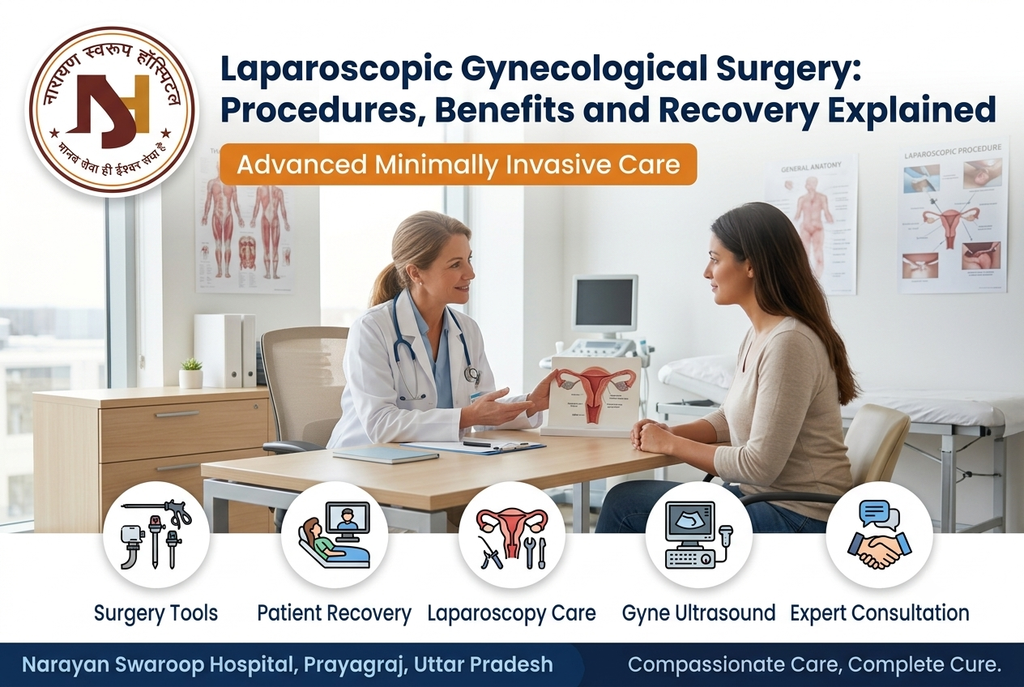
Laparoscopic surgery for gynecology is an operation done by making small cuts in the abdomen with a use of camera and surgical equipment. This type of operation can be done for diagnosing unexplained pelvic pain or dealing with any kind of problem in uterus, ovaries, fallopian tubes and associated areas.
This procedure is usually performed under the influence of general anesthesia. The surgeon inserts the laparoscope into the abdomen through small cuts to examine the pelvic organs on a video screen. Other instruments are inserted to perform the needed operation through other small incisions.
This method is usually referred to as minimally invasive gynecology surgery. But there are certain cases where surgery is not appropriate.
Common Procedures Performed Using Laparoscopy
Gynecological laparoscopic surgery can be used for several procedures, depending on the diagnosis and the surgeon’s assessment.
1. Ovarian Cyst Removal
Ovarian cysts are fluid-filled sacs that develop on or inside an ovary. Many cysts resolve without surgery, but some may require further evaluation or removal because of their size, symptoms, appearance or risk of complications.
When appropriate, a surgeon may remove a cyst laparoscopically while preserving the healthy ovarian tissue. The treatment plan depends on the type of cyst, the patient’s age and other clinical factors.
2. Endometriosis Treatment
Endometriosis occurs when tissue similar to the lining of the uterus grows outside it. It may cause pelvic pain, painful periods and difficulties becoming pregnant.
In selected cases, laparoscopy can help confirm the diagnosis and allow a surgeon to remove or destroy endometriosis lesions. Treatment choices depend on symptom severity, the extent of the disease and fertility goals.
4. Surgical Removal of Fibroids
Fibroids are benign growths which appear in or near the uterus. Some result in heavy menstrual bleeding, pressure in the pelvis and problems related to fertility; some do not have any symptoms at all.
Certain fibroids may be surgically removed in a laparoscopic procedure called laparoscopic myomectomy. The determination whether this surgery is appropriate depends on the size, number and location of the fibroids as well as on the symptoms they cause and the future plans regarding pregnancy of the woman.
5. Assessment of Unusual Symptoms or Fertility Problems
Sometimes laparoscopy is used when a patient has pelvic pain and some unusual fertility problems which cannot be explained by other means of examination. The surgeon can use this procedure to study the pelvic organs and detect problems like adhesions or endometriosis.
This surgery is not always necessary for every woman having infertility problems or pelvic pain.
Benefits of Minimally Invasive Gynecology Surgery
In the case where the patient is a candidate for laparoscopic surgery, there can be some benefits of making small cuts compared to large ones.These will depend on the surgery and the state of health of each patient.
These might be such as:
- Small incisions: Will usually result in smaller scars in comparison to open abdominal surgery.
- Less pain after surgery: Some patients report lower pain after the procedure.
- Faster recovery time: Patients may quickly resume their daily routine following the procedure.
- Earlier release from hospital: Some patients may go back home right after the procedure, while others may require an overnight stay.
- Clear internal view: With the help of the camera, the doctor can view pelvic organs and conduct the necessary procedure.
Laparoscopy does not ensure a complication-free surgery. In some cases, it might be required to switch to the open approach.
How to Prepare for Laparoscopic Gynecological Surgery
Pre-operative preparation allows the surgical team to learn about your health issues and avoid unnecessary risks. The surgeon will give you instructions according to the planned procedure.
Before surgery, you should:
- Discuss your medical history: Share information about your current health problems, past surgeries, allergies, and any chance of being pregnant.
- Talk about medications: Inform the health care professionals about all the medications, including pills for pain, vitamins, and supplements. Do not interrupt your medications without consulting your doctor.
- Undergo additional tests: Blood tests, radiology examinations, and other procedures may be necessary depending on your health status.
- Stop eating and drinking: Ask when you should stop eating food and drinking liquid prior to anesthesia.
- Make arrangements for transportation and assistance: Following the operation, you shall require some assistance to return home due to your weak state.
Consult your doctor about the advantages, disadvantages, and effects of the procedure on your ability to conceive in the future.
Recovery After Gynecological Laparoscopic Surgery
Recovery times can vary depending on the kind of procedure that has been performed and your overall well-being. Some minor procedures might be quicker to recover from than procedures such as those on the uterus or the removal of fibroids.
The side effects experienced after surgery include feeling fatigue, minor pain and bloating in the abdominal region, nausea or shoulder tip pain due to the gas used during the surgical procedure. However, if your symptoms worsen then you should see your physician immediately.
Steps to help aid in recovery:
- Abide by the instructions for discharge and take medication only as directed.
- Ensure that the wounds where the incisions were made stay clean and adhere to wound care.
- Initiate gentle movements when suggested.
- Do not lift heavy objects, do not exercise or drive unless it is cleared by your doctor.
- Make sure to attend all follow-up appointments to ensure proper healing.
If you experience fever, severe or worsening abdominal pain, heavy vaginal bleeding, vomiting, redness or discharge from the wound, trouble urinating or pain in the leg, contact your doctor immediately.
How to Choose a Laparoscopic Gynecologist in Prayagraj
In case you are seeking the services of a laparoscopy gynecologist in Prayagraj, then it is necessary for you to seek a competent professional who would help you understand the diagnosis and the suitability of laparoscopic treatment.
Consider asking the following questions:
- Which disease would be cured by the operation?
- Would medication be a good alternative to the operation?
- What are the specific risks involved in the process?
- Does the operation have any effect on your ability to conceive?
- What post-operative care would be required?
Such communication plays an important role in helping women make the right decisions. In addition, women seeking medical care in Prayagraj should know the importance of teamwork in surgery.
Explore Narayan Swaroop Healthcare Resources
At Narayan Swaroop, we aim to help readers access useful healthcare information and relevant resources. Explore our official website, find our location in Prayagraj, or read more about common health conditions through the links below.
Official Website: Visit the Narayan Swaroop website to learn more about our healthcare information and services.
Find Us on Google Maps: View our Google Maps location for directions and location details.
Related Health Guide: Learn more about dengue, typhoid and viral fever in our guide to finding a general physician in Prayagraj.
Frequently Asked Questions
Is laparoscopic gynecological surgery safe?
It is frequently employed for proper gynecological disorders; however, no surgery is without risks. Bleeding, infection, anesthesia-related complications, and damage to adjacent organs may occur. You will be told about your own risks by the specialist.
How long will it take to recover after laparoscopic gynecological surgery?
Several days are required for recovering after minor diagnostic surgery, while several weeks are needed to fully recover from complicated one. Depending on your surgery, general health state, and postoperative results, you will be able to return to everyday routine.
Can laparoscopic surgery influence my ability to conceive?
Influences depend on the disease that needs treatment and the procedure being conducted. Some surgeries can help you to conceive, while other procedures may affect your fertility. Please consult your specialist before having surgery.
Is laparoscopic surgery better than an open surgery?
Depending on your particular case, it can be associated with the use of smaller cuts and quicker recovery. However, in some cases, open surgery will be preferable or even safer.
5. When should I see a gynecologist in Prayagraj?
Visit a doctor for pelvic pain, heavy menstrual flow, ovarian cysts or fibroids, and problems with fertility. Severe pelvic pain or feeling faint, or a suspected ectopic pregnancy, needs immediate medical attention.
Conclusion
Laparoscopic surgery provides an option for diagnosing and treating certain problems of the female reproductive system in a minimally invasive manner. The possible advantages of such surgery include smaller incisions and faster recovery time; however, results may vary depending on the procedures performed.
It is crucial to understand your diagnosis and all possible treatment options before making any decisions. You need to consult with a qualified gynaecologist to establish if the laparoscopic procedure will be right for you.
Disclaimer: The information provided in this article is for educational purposes only. It is not intended to substitute for any medical advice. Consult a doctor for advice regarding your health issues.