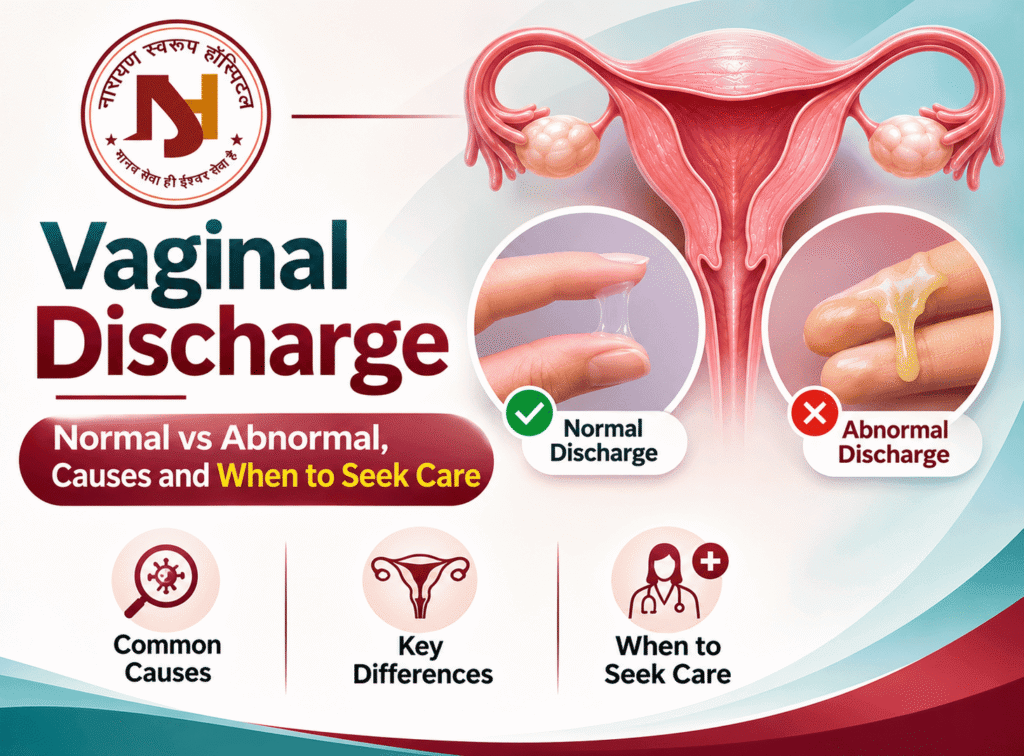

Vaginal Discharge: Normal vs Abnormal, Causes and When to Seek Care
Vaginal discharge is a normal part of reproductive health. Its appearance can change during the menstrual cycle, with pregnancy or after starting some forms of contraception. Yet an unexpected smell, colour or irritation may be uncomfortable to discuss. Many people delay a consultation because they are unsure what is normal or fear being judged.
Learning about abnormal vaginal discharge causes can make that conversation easier. A change in discharge does not identify a specific infection by itself. Looking at associated symptoms, recent changes and examination findings is the safer way to decide whether treatment is needed.
What Does Normal Vaginal Discharge Look Like?
Healthy discharge is usually clear or white and does not have a strong unpleasant smell. It may be thin and slippery around ovulation, or thicker at another stage of the cycle. The amount also varies naturally between individuals.
Discharge helps keep the vaginal environment moist and contributes to its normal protective functions. A person can experience more discharge while pregnant or using certain hormonal contraceptives without having an infection.
There is no single appearance that applies to everyone on every day. The most useful comparison is often with your own usual pattern, rather than photographs or descriptions found online.
Which Changes Suggest Abnormal Discharge?
Speak with a healthcare professional if discharge develops an unfamiliar strong smell, an unusual colour or a new texture, especially when accompanied by itching, burning, pelvic pain or discomfort while passing urine.
| Change noticed | Possible explanation |
|---|---|
| Strong fishy smell | Bacterial vaginosis is one possibility |
| Thick white discharge with itching | Thrush or another irritation may be involved |
| Green, yellow or frothy discharge | Some infections, including trichomoniasis, are possible |
| Pelvic pain or bleeding with discharge | Requires evaluation for infection or another condition |
| Increased clear or white discharge without discomfort | May be a normal hormonal change |
This table cannot diagnose the cause. Several conditions overlap, and some sexually transmitted infections cause few or no symptoms. Testing may be required even when there is no obvious colour change.
What Are Common Vaginal Discharge Causes?
Bacterial vaginosis
Bacterial vaginosis occurs when the usual balance of vaginal bacteria changes. It can cause a fishy smell and thin discharge, although some people notice little discomfort. It is not the same condition as a yeast infection, and management differs.
Thrush or yeast infection
Thrush may cause itching, soreness and thick white discharge. Symptoms can resemble irritation from another cause. Repeatedly using antifungal medicines without a diagnosis can delay correct treatment, especially when symptoms are recurring.
Sexually transmitted infections
Trichomoniasis, chlamydia and gonorrhoea are among infections that may cause discharge or genital symptoms. Some people have no noticeable symptoms. A healthcare professional can recommend appropriate testing and explain whether partner evaluation or treatment is needed.
Irritation or hormonal changes
Scented products, douching or some skin conditions can cause discomfort without infection. Pregnancy, ovulation and hormonal contraception may change discharge quantity. Menopause-related tissue changes can also affect vaginal comfort and symptoms.
Because the causes vary, an antibiotic or cream that helped someone else may not be appropriate for you.
Does Vaginal Discharge Change During Pregnancy?
Yes. A greater amount of thin, clear or milky discharge can be normal during pregnancy. However, unusual smell, green or yellow colour, itching or pain while passing urine should be discussed with the maternity team.
Pregnant patients should seek prompt advice about vaginal bleeding. If there is a watery leak or a gush of fluid that could be amniotic fluid, contact maternity services urgently instead of assuming it is routine discharge. Do not start over-the-counter treatments during pregnancy without confirming that they are appropriate.
When Is Urgent Medical Care Needed?
Seek prompt assessment if discharge occurs with pelvic pain, fever, bleeding between periods or after sex, or painful urination. Severe lower abdominal pain, fainting or feeling acutely ill requires urgent medical attention. If pregnancy is possible and you have significant pain or bleeding, emergency assessment may be necessary.
These warning signs do not mean that a serious condition is certain. They mean the problem should not be managed through self-diagnosis alone.
How Does a Doctor Diagnose the Cause?
A clinician may ask when the change started, its smell or appearance, associated symptoms, menstrual history, pregnancy possibility, recent products used and sexual health concerns. The discussion should be private, respectful and based on informed consent.
Depending on symptoms, a pelvic examination and a vaginal swab may be recommended. Tests can help identify yeast, bacterial imbalance or certain sexually transmitted infections. A urine test or pregnancy test may be appropriate in selected cases.
Not everyone needs the same examination. You can ask why a test is suggested, whether a chaperone is available and what the results will mean. Honest answers are more helpful than trying to match symptoms to a particular infection beforehand.
What Can You Do While Waiting for an Appointment?
Avoid vaginal douching, scented washes, deodorants and harsh products. Wash the external genital area gently, and avoid trying multiple unprescribed medicines to see which one works. If a sexually transmitted infection is possible, ask a clinician about testing and precautions to prevent transmission.
Do not assume that normal hygiene is the cause of every infection. Many changes relate to the vaginal environment, hormones or specific organisms rather than cleanliness. Recurrent symptoms deserve further evaluation, not repeated guesswork.
Gynaecology Consultation in Prayagraj
The Narayan Swaroop Hospital website lists Dr. Soniya Singh as an obstetrician and gynaecologist. If you are looking for a gynecologist in Prayagraj because of unusual discharge, explain your symptoms and ask which assessment is appropriate. Confirm service and appointment availability directly with the hospital.
For a broader overview of women’s health concerns, see Common Gynecological Problems Women Should Never Ignore. This article focuses specifically on discharge changes and how their causes are evaluated.
Frequently Asked Questions
Is white vaginal discharge always an infection?
No. Clear or white discharge without a strong smell or discomfort is often normal.
Can a discharge colour identify the infection?
No. Colour and odour may provide clues but do not replace clinical examination or testing.
Should I use vaginal washes to prevent discharge?
No. Discharge is normal, and douching or scented products can cause irritation.
Conclusion
Vaginal discharge varies naturally, but a new unpleasant smell, itching, unusual colour or associated pain deserves attention. Understanding possible causes helps patients describe symptoms clearly. Accurate diagnosis and appropriate treatment are more reliable than choosing medicines from an online symptom list.
Our Recent Blogs
- Common Gynecological Problems Women Should Never Ignore
- Meet Dr. Soniya Singh: Women’s Healthcare and Gynecology
Hospital Location: Narayan Swaroop Hospital on Google Maps
Medical References: NHS: Vaginal Discharge | NHS: Discharge in Pregnancy
Medical disclaimer: This content is for general education, not diagnosis or treatment. It requires qualified clinical review before publication.