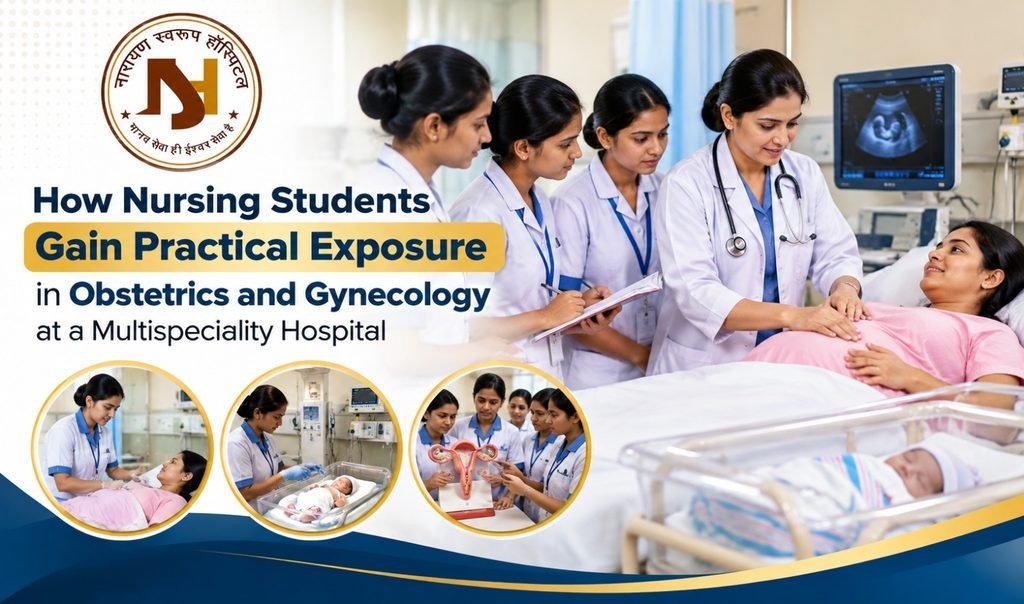
Obstetrics and gynecology nursing forms an integral component of the training for nursing students because the course equips the students to be able to offer assistance to women at different stages of their life including pregnancy, childbirth and post-delivery care. Lectures are used to impart the necessary theoretical knowledge while practical exposure ensures the application of such knowledge.
At a multispeciality hospital, the nursing students may be exposed to services provided in the maternity ward, antenatal and postnatal care as well as participate in some of the nursing duties allowed under supervision. It all depends on the hospital and level of the training of the nursing student.
What Is Obstetrics and Gynecology Nursing?
Obstetrics and gynecology nursing revolves around nursing practices associated with pregnancy, childbirth, post-natal care, and reproductive health of the woman.
The field of obstetrics is mainly associated with pregnancy and childbirth, whereas gynecology is linked with the reproductive health of the woman apart from pregnancy.
Some of the topics nursing students learn about are:
- Antenatal and postnatal care
- Observation of mother and newborn
- Communication and teaching of patients
- Prevention of infections and hygiene
- Reproductive health
- Documentation and teamwork
- Identification of warning signs and reporting
Clinical practice allows nursing students to appreciate the significance of respect for the patients, confidentiality, documentation, and communication with the qualified healthcare practitioners.
How Do Nursing Students Gain Practical Exposure in a Multispeciality Hospital?
An MSH could afford the chance of observing different departments and learning about the connection between maternity services and other aspects of healthcare. The clinical work done by students needs to be consistent with their level of competence and undertaken under appropriate supervision.
1. Antenatal Care
The term antenatal care refers to the monitoring of the wellbeing of a pregnant woman and her pregnancy development. Through placement at a supervised clinical practice, a student could learn how a healthcare team would go about taking a medical history, vital signs measurement, antenatal records review, and scheduling of routine appointments.
Learning about the importance of antenatal visits, health education during pregnancy, and symptoms that need clinical assessment is also possible for students.
For instance, symptoms like persistent headache, bleeding from vagina, and diminished fetal movements late in pregnancy should be reported to the relevant healthcare professional without delay.
2. Labour and Delivery Care Observation
The labor room will expose students to the significance of teamwork, cleanliness, communication, and observation in the process of childbirth.
Depending on the students’ training level and the hospital policy, students can be allowed to observe the admission process, equipment preparation, monitoring process and the duties of the nurses who assist midwives and doctors.
Students will also know how the staff ensures that the women’s dignity and privacy are respected. Participation in the procedure is allowed when it is properly authorized and supervised and is appropriate for the student training level.
3. Post Natal Care
Postnatal care helps mothers and infants in the post-delivery period. The students can also be exposed to how nurses monitor maternal recovery, breastfeeding, hygiene practices, and symptoms that require medical evaluation.
Students can also observe newborn baby care activities such as temperature monitoring, feeding and other observations, if it is properly supervised.
Postnatal education is particularly important since the family requires proper information on recovery, feeding, appointment follow-ups and signs that require emergency care.
Practical Learning in Gynecological Care
Clinical exposure will enable nursing students to appreciate the reproductive health of women outside pregnancy. For instance, the students may get to observe patient consultations where nurses help patients go through investigations or treatment for various reproductive health conditions, such as menstrual disorders, pelvic pain, fibroids, and infertility.
In understanding what causes infertility, the students will learn various factors that include ovulatory disorders, fallopian tube disorders, endometriosis and male factor infertility. The students will get to observe how clinicians explain investigations, maintain confidentiality, and give emotional support.
When undergoing infertility treatment in Prayagraj, patients may go through different assessments based on their medical history and need. An infertility specialist for women may assess conditions affecting ovulation, uterus, or ovaries of a woman. In assessing fertility, the male partner is also assessed.
It is not the responsibility of the students to diagnose the problem and give a recommendation for treatment.
Essential Skills Students Develop During Clinical Training
Practical training goes beyond observing the process of procedures. The skills help the learners adopt professional practices that promote safe and patient-focused treatment.
Some of the key skills include:
- Clinical observations: Documenting vital signs and notifying the supervising nurse of any alterations.
- Infection control: Practicing hand hygiene, using personal protective equipment and safe handling of equipment.
- Communication: Giving explanations about routine treatment in easy-to-understand language and addressing patients’ questions.
- Documentation: Appreciating the importance of proper documentation of patients’ data.
- Teamwork: Understanding coordination of work between nurses, doctors, midwives, pediatricians and other professionals.
- Patient dignity: Treating patients with due respect by practicing consent, confidentiality and other aspects of examination.
These skills are developed progressively through education, demonstration, observation and feedback.
The Role of Nursing Education in Clinical Readiness
Nursing education involves bridging the gap between theory and practical application. It is essential to know both how to do something and why it is important, when it is necessary to escalate a matter, and what does not fall within one’s scope of practice.
The students studying in Prayagraj are expected to find a place for their clinical practice according to the curriculum and institutional standards. Narayan Swaroop Nursing College can be mentioned in the framework of nursing education, and the students need to find out more about the existing placement and training programs at the institution.
It is necessary to ensure proper supervision, safety of patients, and educational experience.
Frequently Asked Questions
1. What do students learn in obstetrics and gynecology nursing?
Students learn about antenatal care, labour and delivery, postnatal recovery, newborn care, reproductive health, patient education and infection prevention.
2. Do nursing students perform deliveries during clinical training?
Clinical participation depends on the curriculum, the student’s competency, hospital policy and supervision. Students may observe or assist with authorised activities, but they should never perform procedures independently beyond their approved scope.
3. Why is multispeciality hospital exposure useful for nursing students?
It helps students understand teamwork, patient referral pathways, documentation and coordination between departments while applying classroom learning in supervised clinical settings.
4. Can nursing students learn about infertility care?
Yes. As part of relevant coursework and approved clinical learning, they may study the causes of infertility, diagnostic investigations, patient counselling and the roles of different healthcare professionals.
5. What should students check before choosing a nursing programme?
They should verify the programme’s recognition and approval status, curriculum, clinical training arrangements, supervision, practical learning opportunities and eligibility requirements.
Our Recent Blogs
Explore our recent articles on surgical treatment, fertility and pregnancy care:
- General Surgery vs Laparoscopic Surgery: What Patients Should Know Before Treatment
- Infertility: Common Causes, Evaluation and When Couples Should Consult a Specialist
- High-Risk Pregnancy Care in Prayagraj: What Expecting Mothers Should Know
Planning a visit? Find us on Google Maps for our location, directions and contact details.
Conclusion
The obstetrics and gynecology nursing provides preparation of students in order to help women through their pregnancy, delivery process, post-delivery care, and any other reproductive health issues.
In the case of Prayagraj nursing students, the objective is to combine the theories that have been learned with practical training in a safe environment while maintaining patient confidentiality and professional boundaries.