
Menopause Symptoms and Treatment: Managing Changes Safely
Menopause marks a normal life transition, but the symptoms surrounding it can be unexpectedly disruptive. Some women notice only minor cycle changes, while others experience night sweats, sleep difficulties or vaginal dryness that affect daily life. Understanding menopause symptoms and treatment helps separate expected hormonal changes from problems that need assessment. Menopause is generally confirmed after twelve consecutive months without menstrual periods when no other explanation applies. The years before that, called perimenopause, can bring considerable variation, so management should reflect individual symptoms, medical history and preferences.
What Happens During Perimenopause?
Ovarian hormone levels fluctuate, and menstrual cycles may become shorter, longer or less predictable. Bleeding may be lighter or heavier than before. Some people also notice hot flushes, disturbed sleep or mood changes. Although these can be part of perimenopause, other causes of fatigue or irregular bleeding should not automatically be ignored. Pregnancy can still occur before menopause is established, so contraception may remain relevant. A clinician can explain how age, symptoms and medical history affect the interpretation of cycle changes without relying on a single hormone test for everyone.
Which Symptoms Are Common?
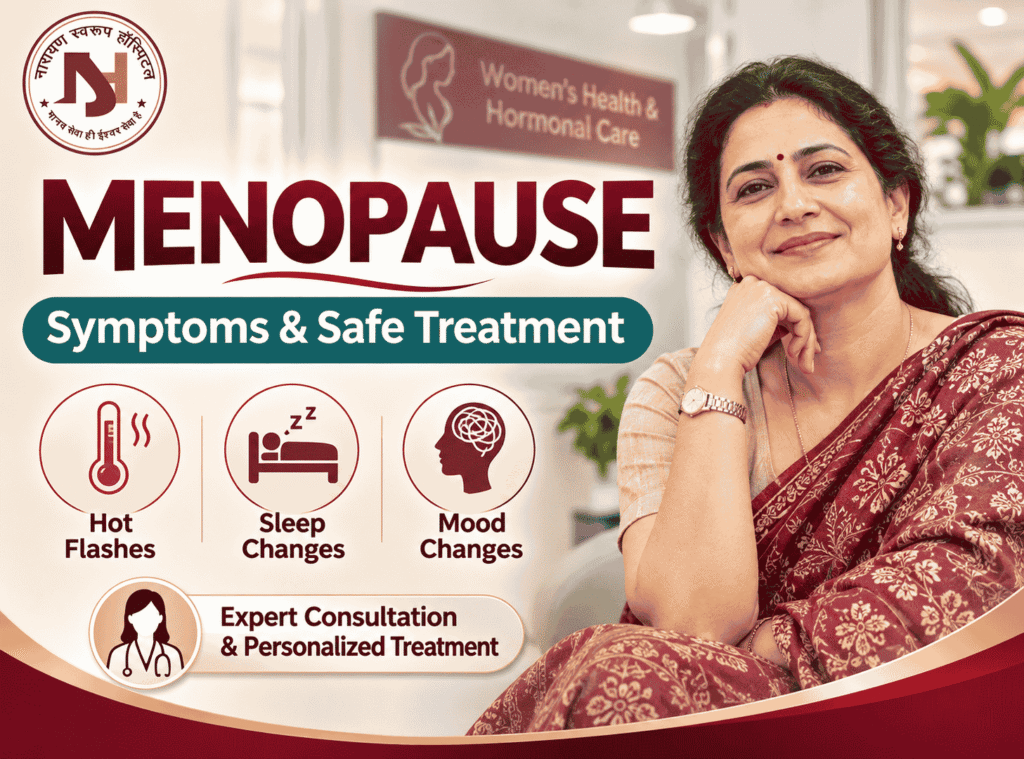
Hot flushes are sudden episodes of warmth, often accompanied by sweating or flushing. At night, they may interrupt sleep and lead to daytime tiredness. Vaginal dryness, discomfort during intercourse and urinary symptoms can occur as oestrogen levels decline. Some women report trouble concentrating, mood changes or joint discomfort. Not every symptom in midlife comes from menopause: thyroid problems, anaemia, sleep disorders and other conditions may need consideration. Record which symptoms are most troublesome and how they affect ordinary life, rather than trying to identify menopause through a checklist alone.
When Is Medical Assessment Important?
Arrange a consultation if symptoms interfere with sleep, work, relationships or general well-being. Bleeding between periods or after sex deserves assessment. Crucially, any vaginal bleeding after menopause must be reported, even if it is only spotting, because it can signal a condition that requires investigation. New pelvic pain, unexplained weight loss or significant urinary symptoms should also be discussed. An appointment may include review of medicines and existing conditions. Treatment decisions should never assume that all bleeding or discomfort is merely part of ageing.
What Lifestyle Measures May Help?
Regular physical activity, balanced nutrition, adequate sleep and avoiding smoking support cardiovascular and bone health. Some women identify personal triggers for hot flushes, such as alcohol or hot environments, and adjust routines accordingly. Layered clothing and a cool sleeping environment may provide comfort. These measures can help, but they are not a guaranteed cure for severe vasomotor symptoms. Avoid expensive products marketed as hormone balancing without evidence. Ask a clinician about calcium, vitamin D and bone-health assessment when relevant rather than taking high doses indiscriminately.
What Is Menopausal Hormone Therapy?
Menopausal hormone therapy can help selected women with troublesome hot flushes and other symptoms. The most suitable preparation depends on whether the uterus is present, the person’s age, time since menopause and medical risks. Oestrogen is generally combined with endometrial protection when a uterus is present because unopposed systemic oestrogen can raise endometrial cancer risk. Hormone therapy has benefits and possible harms, and it is not appropriate for everyone. Discuss personal history of blood clots, cardiovascular disease or certain cancers before choosing treatment. Do not obtain hormones from unregulated online sellers.
Are There Non-Hormonal Options?
Yes. Selected prescription non-hormonal treatments may reduce hot flushes, and behavioural approaches can help with sleep or coping. Vaginal moisturisers and lubricants can relieve dryness, while local vaginal oestrogen may be considered for some patients under medical advice. The choice depends on which symptom needs treatment, not on the word menopause alone. An approach helpful for night sweats may not address vaginal discomfort. Ask what benefits to expect, how quickly improvement may occur and when to review treatment. Supplements and herbal products may interact with medicines and should be discussed openly.
What About Bone and Heart Health?
After menopause, changes in hormone levels can affect bone density and long-term health risks. Adequate dietary calcium, vitamin D where indicated, weight-bearing activity and strength exercises can support bone health. Blood-pressure, blood-sugar and cholesterol assessments may be appropriate depending on personal risk. Not everyone needs the same screening tests or a bone-density scan immediately. Discuss family history, fractures and existing medicines with a clinician. Menopause treatment should address both current quality of life and prevention needs without making unsupported promises about reversing ageing.
Emotional Well-Being Deserves Attention
Disrupted sleep and persistent symptoms can affect mood, relationships and confidence. Some people also experience menopause during a period of major personal responsibilities, making it harder to distinguish physical symptoms from life stress. Support should be practical and free from judgement. Persistent low mood, anxiety or severe sleep problems merit their own assessment rather than being dismissed as hormonal. Partners and family members can help by respecting changes in comfort and energy. Menopause does not mean a woman should accept avoidable pain, fatigue or loss of quality of life without seeking help.
Preparing for a Menopause Consultation
Bring a symptom diary, medication list, menstrual history and relevant medical reports. Mention whether you have had a hysterectomy, any history of blood clots or hormone-sensitive cancers, and what you most want treatment to improve. Ask whether symptoms fit perimenopause, what alternatives might be considered and which treatments are appropriate for your risks. Clarify how long a chosen therapy will be reviewed and what bleeding changes should trigger a call. A shared decision is more valuable than an advertised one-size-fits-all hormone package.
Menopause Care in Prayagraj
Narayan Swaroop Hospital lists Dr. Soniya Singh as an obstetrician and gynaecologist. The hospital’s menopausal care page provides service information. A consultation can help distinguish menopause-related symptoms from other medical concerns and discuss suitable management.
Frequently Asked Questions
Does every woman need hormone therapy?
No. Treatment depends on symptom severity, preferences and medical history. Some need no medicine.
Can periods return after twelve months without bleeding?
Bleeding after established menopause should not be treated as an ordinary period. It needs medical evaluation.
Are natural menopause supplements always safe?
No. Some lack reliable evidence and can interact with medicines. Discuss them with a clinician.
Conclusion
Menopause is a normal transition, but troublesome symptoms are worth treating. Safe management combines symptom assessment, suitable treatment choices and attention to long-term health. The most useful plan is tailored to the individual, particularly when abnormal bleeding or medical risk factors are present.
Our Recent Blogs
- High-Risk Pregnancy Care in Prayagraj
- Pregnancy Checkups and Delivery Planning
- Fertility Tests, Ovulation and PCOS
Hospital Location: Narayan Swaroop Hospital, Prayagraj on Google Maps
Medical References
Medical editorial disclaimer: General patient education only. A qualified hospital clinician must clinically review the draft before publication. Emergencies require immediate medical care.