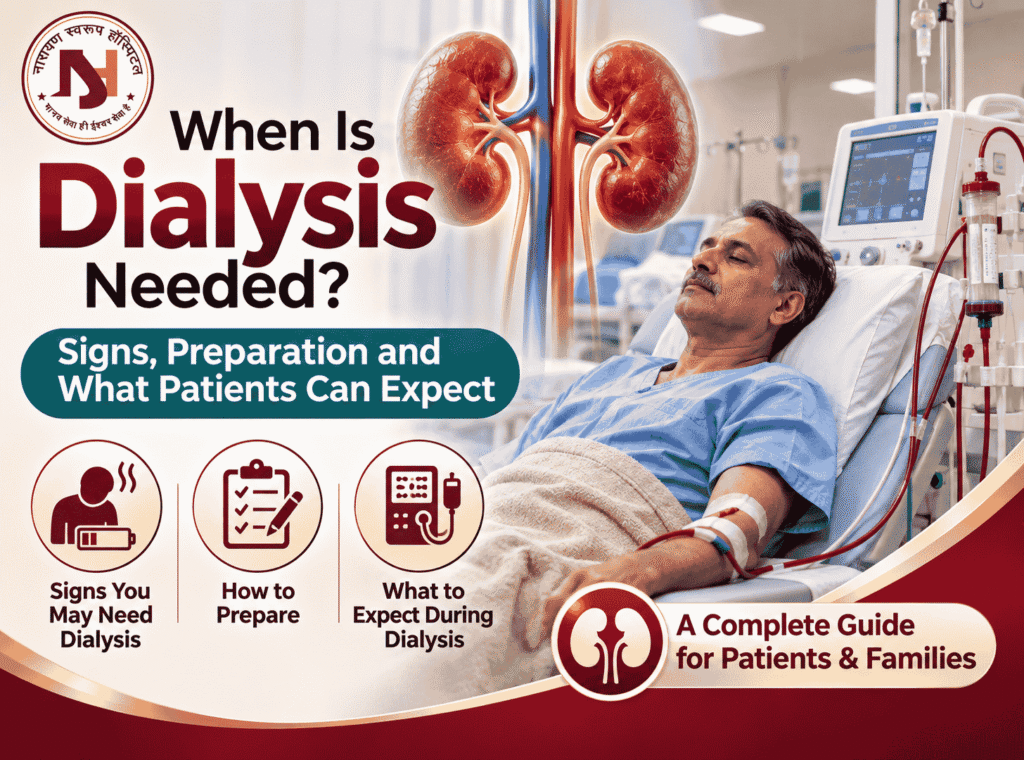

When Is Dialysis Needed? Signs, Preparation and What Patients Can Expect
Hearing that kidney function is reduced can make a patient fear that dialysis must begin immediately. In reality, the decision depends on more than one creatinine or eGFR result. Dialysis helps remove waste and excess fluid when the kidneys can no longer maintain important functions adequately. Understanding when dialysis is needed requires discussion of symptoms, blood tests, fluid balance and treatment goals. This article focuses on the decision to start dialysis and what preparation involves, rather than general early kidney screening, which is covered separately in the content calendar.
What Is Dialysis Designed to Do?
Healthy kidneys remove certain waste products, maintain fluid and electrolyte balance and contribute to other body functions. Dialysis replaces some of the filtering work when kidney function is severely reduced. It is not a complete substitute for a healthy kidney, and it does not cure chronic kidney disease. It may be needed temporarily in certain acute illnesses or long term when irreversible kidney failure develops. The clinical team should clarify whether the problem is acute or chronic because the likely duration and treatment planning can be very different.
Is There One Creatinine Number That Means Dialysis?
No. High creatinine and low eGFR provide important information, but the decision considers the entire patient. Persistent high potassium, serious fluid overload, certain complications of waste accumulation or other dangerous abnormalities may make dialysis necessary. Some people with advanced kidney disease are monitored closely while preparation continues, while others need urgent treatment. A patient should not start or refuse dialysis solely because of a value seen in a laboratory report. The nephrologist interprets results alongside symptoms, urine output, medical history and the rate of change.
Which Symptoms May Suggest Advanced Kidney Problems?
Possible symptoms include poor appetite, nausea, pronounced fatigue, itching, breathlessness, swelling or difficulty concentrating. However, these features are not specific to kidney failure and may have other causes. Urgent assessment is needed for severe breathlessness, confusion, chest symptoms, seizures or significant weakness. Do not wait for every symptom on a checklist to appear; the laboratory and clinical findings together guide safe timing.
What Is Haemodialysis?
Haemodialysis circulates blood through a dialysis machine that filters waste and excess fluid before returning it to the body. Treatment requires suitable access to the bloodstream, which may be planned through a fistula or graft or provided through a catheter when necessary. Sessions are scheduled according to the patient’s needs and treatment plan. The patient is monitored for blood pressure, symptoms and fluid changes. Some people experience tiredness or discomfort after treatment. A nephrology team explains realistic schedules and what to do if a session is missed.
How Is Peritoneal Dialysis Different?
Peritoneal dialysis uses the lining of the abdomen as a filter. Dialysis fluid enters through a catheter, remains for a period and is then drained. Some patients perform exchanges during the day, while others use an automated process overnight. It requires training, careful hygiene and a suitable home environment. Peritoneal dialysis is not appropriate for every patient, just as haemodialysis is not automatically the better option. The nephrologist considers medical conditions, lifestyle, support and personal preferences when discussing available treatments.
Can Treatment Be Planned Before Dialysis Starts?
Yes. People with progressive chronic kidney disease may benefit from education about dialysis, transplant assessment and conservative kidney care before a crisis occurs. Planning allows time to discuss vascular access, home treatment suitability and practical arrangements. It can also help families understand transport, work and dietary considerations. Planning is not proof that dialysis must start tomorrow. It gives patients meaningful choices and reduces rushed decisions where possible.
What Should Patients Expect at Early Sessions?
Before treatment, the team reviews medicines, fluid status, blood pressure and the access site. During haemodialysis, staff monitor the patient and machine. People may experience cramps, light-headedness or fatigue, although responses differ. The team explains infection prevention and what symptoms to report. Never change fluid intake drastically without nephrology guidance, especially when swelling or heart problems are present.
What About Food, Fluids and Medicines?
Dietary advice during advanced kidney disease is highly personalised. Some people require limits on sodium, potassium, phosphate or fluid, depending on blood tests and dialysis type. Others need enough protein to maintain nutrition. Broad internet lists of foods to ban are not appropriate for everyone. Medicines for blood pressure, diabetes or anaemia may need review. Take a complete medication list to appointments and avoid unapproved herbal remedies. A renal dietitian or suitably trained clinician can help create a realistic plan that works with customary foods rather than imposing unnecessary restrictions.
Which Dialysis Complications Need Urgent Help?
Fever, chills, redness or discharge around access sites, severe breathlessness, chest pain or confusion deserve prompt assessment. People using peritoneal dialysis should urgently report cloudy drained fluid, abdominal pain or fever because infection may be possible. Haemodialysis access bleeding that does not stop is an emergency. Do not wait for the next routine session if a serious problem develops. The care team should provide written instructions for emergencies, access care and missed appointments. Follow-up protects safety as much as the filtering procedure itself.
Questions to Ask Your Nephrologist
Ask why dialysis is being considered now, what findings would make it urgent and whether kidney function might recover. Discuss haemodialysis, peritoneal dialysis, transplant options and any medically appropriate conservative care pathway. Clarify access planning, frequency of treatment, travel arrangements and expected side effects. Shared decisions should reflect the patient’s goals and medical circumstances.
Dialysis Services in Prayagraj
Narayan Swaroop Hospital lists a dialysis unit and nephrology department. Confirm current capacity, consultation requirements and available treatment modalities directly with the team. For interpreting early laboratory changes, the separate planned article on creatinine and eGFR addresses a different search intent.
Frequently Asked Questions
Does high creatinine automatically require dialysis?
No. Symptoms, other laboratory findings, overall condition and kidney-function trends guide the decision.
Can dialysis be temporary?
Yes. Some acute kidney problems require temporary dialysis, while chronic kidney failure may require ongoing treatment.
Does dialysis cure kidney disease?
No. It replaces some filtering functions but does not restore all normal kidney activity.
Conclusion
Dialysis decisions should be guided by clinical need rather than fear of a single test result. Understanding available treatments and preparing in advance can improve safety and choice. Seek urgent medical care for severe symptoms, and ask a nephrology team to explain when treatment is appropriate for your situation.
Our Recent Blogs
- Emergency and Critical Care in Prayagraj
- From Emergency to ICU: Hospital Teams
- What Is a Multispeciality Hospital?
Hospital Location: Narayan Swaroop Hospital, Prayagraj on Google Maps
Medical References
Medical editorial disclaimer: General patient education only. A qualified hospital clinician must clinically review the draft before publication. Emergencies require immediate medical care.


