
Upper GI Endoscopy: Preparation, Procedure and Aftercare Explained
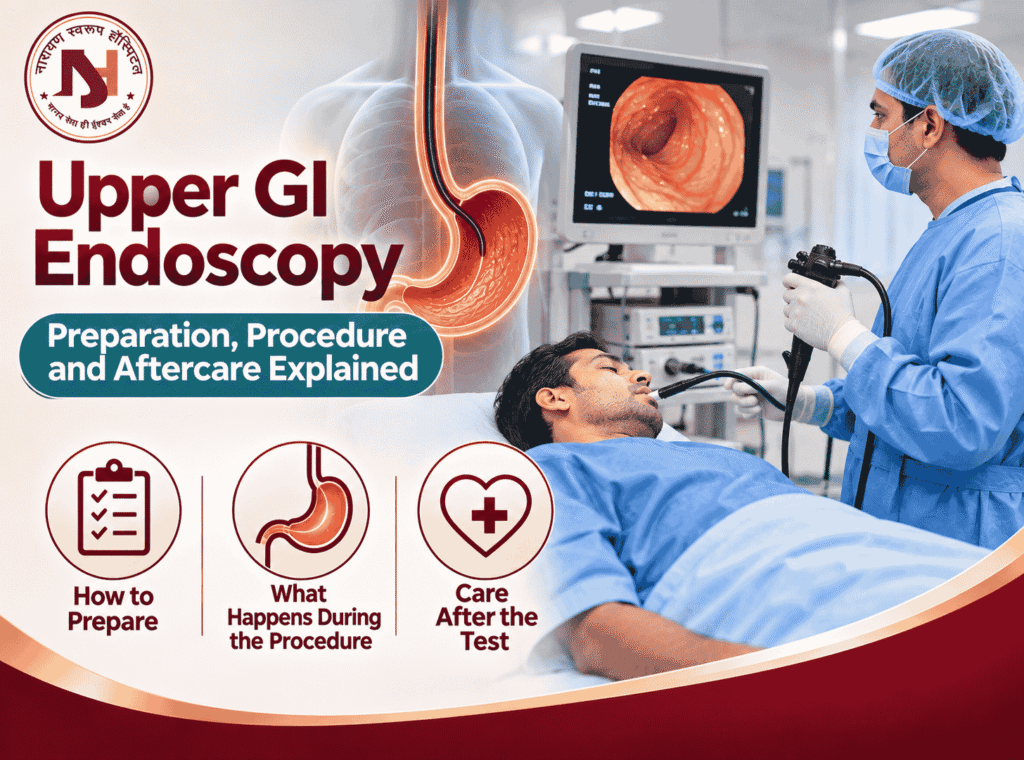
If a doctor recommends an upper gastrointestinal endoscopy, you may worry about swallowing a camera, the use of sedation or how long recovery will take. This test, also called gastroscopy, helps clinicians look at the oesophagus, stomach and first part of the small intestine. It may be recommended for persistent swallowing problems, upper abdominal symptoms, certain bleeding concerns or other clinical findings. Understanding upper GI endoscopy preparation makes the appointment easier, but instructions from your own hospital must take precedence because fasting, medicines and sedation plans can vary.
What Can an Upper GI Endoscopy Show?
During gastroscopy, a flexible tube with a camera allows the clinician to inspect the upper digestive tract. The test can identify inflammation, ulcers, narrowing and some other abnormalities. Small tissue samples, called biopsies, may be taken when needed, even when the surface looks relatively normal. A biopsy does not automatically mean cancer is suspected; it can help investigate several conditions. Gastroscopy does not examine the whole large bowel and is not interchangeable with colonoscopy. Ask the referring doctor what question the test is intended to answer for your symptoms.
Why Might a Doctor Recommend the Test?
Persistent difficulty swallowing, vomiting, recurrent upper abdominal discomfort, unexplained anaemia and suspected upper gastrointestinal bleeding are among the reasons a clinician may consider gastroscopy. Sometimes the priority is to check a finding on another test or to follow up a known condition. Symptoms alone do not confirm an ulcer or another diagnosis. Some people are better evaluated through different investigations first. A good referral explains why endoscopy is suitable now, what the clinician hopes to learn and how the result may change treatment.
What Should You Tell the Team Beforehand?
Inform staff about medicines, allergies, pregnancy, significant heart or lung disease, diabetes and any previous reaction to sedation. Mention blood thinners and medicines for diabetes because the team may need to adjust the plan safely. Never stop prescribed medicines independently. Ask whether someone must accompany you, what documents to bring and when to arrive. If you wear dentures, have loose teeth or need special assistance, tell the team ahead of time. Preparation is not only about an empty stomach; it is about making the procedure appropriate for your health.
How Long Do You Need to Fast?
Gastroscopy usually requires an empty stomach to improve visibility and reduce aspiration risk. Many services advise no solid food for at least six hours, with more specific instructions about clear fluids, but you must follow the exact written directions provided for your appointment. Fasting requirements may differ for certain medical conditions or anaesthesia plans. If you accidentally eat or drink during the restricted period, contact the endoscopy unit rather than conceal it. The procedure may need rescheduling. Correct preparation is a safety measure, not an administrative formality.
What Happens on the Day?
A nurse or clinician reviews your health information and explains the procedure. A throat-numbing spray or sedation may be offered according to local practice and clinical suitability. The flexible tube is guided through the mouth into the upper digestive tract while the clinician examines the lining. Air may be introduced for a clearer view, so temporary bloating or burping can occur. The test itself is usually relatively brief, although arrival, preparation and recovery take longer. You can discuss discomfort, consent and the ability to stop the procedure before it begins.
What Is Recovery Like After Gastroscopy?
You will be monitored until the team considers it safe to leave. A mild sore throat or bloating can occur. After throat-numbing spray, eating and drinking should wait until swallowing is safe and the hospital gives permission. If you receive sedation, arrange a responsible adult to take you home and follow the prescribed restrictions, commonly including no driving, alcohol, machinery or important decisions for twenty-four hours. Do not assume that feeling awake means the medicine has completely worn off. Ask when any biopsy results will be available and how they will be communicated.
Which Symptoms After the Test Need Urgent Help?
Severe or worsening chest or abdominal pain, difficulty breathing, repeated vomiting of blood, black stools, significant bleeding or fever after an endoscopy need prompt medical advice or emergency care. Serious complications are uncommon but must be recognised. Mild throat irritation should gradually improve; persistent or escalating symptoms deserve assessment. Keep the discharge sheet because it should contain a contact route and instructions for your specific procedure. If sedation was given, the accompanying adult should know these warning signs too.
What Questions Should You Ask About the Results?
Ask whether the examination was complete, whether any biopsies were taken and what the findings mean for your symptoms. If the report uses terms such as gastritis or erosion, request an explanation rather than guessing from internet descriptions. Clarify whether any medicines should start, stop or change, whether a follow-up appointment is necessary and what to do if symptoms persist despite normal results. An apparently normal endoscopy does not mean that every possible cause of upper abdominal discomfort has been excluded. The referring clinician should interpret results with the full history.
Endoscopy Services in Prayagraj
Narayan Swaroop Hospital lists Dr. Rajeev Singh as an endoscopist. The hospital’s endoscopy service page provides local information. Confirm the offered procedure, current availability, preparation instructions and referral requirements directly with the care team. If you are vomiting blood or have signs of significant gastrointestinal bleeding, seek emergency care instead of scheduling a routine test.
Frequently Asked Questions
Is an upper GI endoscopy the same as a colonoscopy?
No. Upper GI endoscopy examines the oesophagus, stomach and duodenum; colonoscopy examines the large bowel.
Can I drive home after sedation?
No. Follow your unit’s post-sedation restrictions and arrange responsible transport.
Does a biopsy mean I have cancer?
No. Biopsies help investigate many conditions and are interpreted by a laboratory.
Conclusion
Gastroscopy is an important diagnostic test when used for the right clinical question. Careful fasting, medication review and safe arrangements after sedation are central to preparation. Understanding possible findings and warning signs helps patients participate in care without treating the procedure as something to fear or rush.
Our Recent Blogs
- Piles, Fissure and Fistula Treatment in Prayagraj
- Laser Piles Treatment in Prayagraj
- Laparoscopic Hernia and Intestinal Obstruction
Hospital Location: Narayan Swaroop Hospital, Prayagraj on Google Maps
Medical References
Medical editorial disclaimer: General patient education only. A qualified hospital clinician must clinically review the draft before publication. Emergencies require immediate medical care.